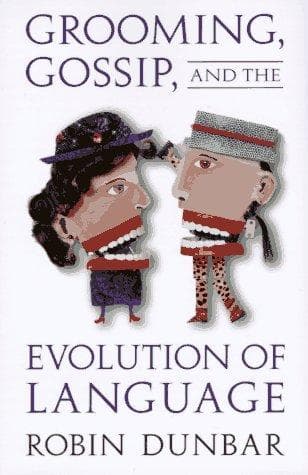
Grooming, gossip, and the evolution of language
Esta parte de readmunity es para lectores con cuenta.
Con una cuenta gratuita puedes guardarlo en tu biblioteca, valorarlo y reseñarlo.
Sinopsis(en Inglés)
No tenemos la sinopsis en tu idioma: se muestra la de la edición original.
Apes and monkeys, humanity's closest kin, differ from other animals in the intensity of their social relationships. All their grooming is not so much about hygiene as it is about cementing bonds, making friends, and influencing fellow primates. But for early humans, grooming as a way to social success posed a problem: given their large social groups of 150 or so, our earliest ancestors would have had to spend almost half their time grooming one another - an impossible burden. What Dunbar suggests - and his research, whether in the realm of primatology or in that of gossip, confirms - is that humans developed language to serve the same purpose, but far more efficiently. It seems there is nothing idle about chatter, which holds together a diverse, dynamic group - whether of hunter-gatherers, soldiers, or workmates. Anthropologists have long assumed that language developed in relationships among males during activities such as hunting. Dunbar's original and extremely interesting studies suggest otherwise: that language in fact evolved in response to our need to keep up to date with friends and family. We needed conversation to stay in touch, and we still need it in ways that will not be satisfied by teleconferencing, e-mail, or any other communication technology. As Dunbar shows, the impersonal world of cyberspace will not fulfill our primordial need for face-to-face contact.
Citas
Todavía nadie ha guardado citas de este libro. Añádelo a tu biblioteca y podrás apuntar aquí los pasajes que quieras recordar.
Reseñas
Todavía no hay reseñas de este libro.
Te puede interesar · Histórica
Ver todos


Otras ediciones
- inglésHarvard University PressISBN 97806743633421996
- inglésFaber and FaberISBN 97805711739691996