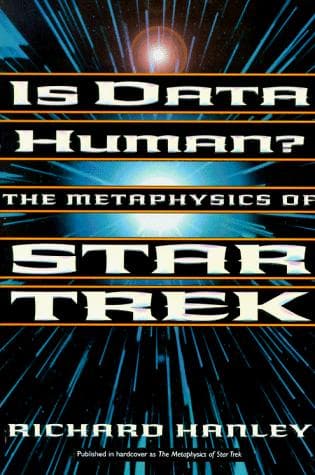
Is Data Human?
The Metaphysics of Star Trek
Esta parte de readmunity es para lectores con cuenta.
Con una cuenta gratuita puedes guardarlo en tu biblioteca, valorarlo y reseñarlo.
Sinopsis(en Inglés)
No tenemos la sinopsis en tu idioma: se muestra la de la edición original.
"When is it okay to violate Star Fleet's Prime Directive? Is it cheating to be a telepathic psychiatrist? Is it possible to occupy someone else's body?" "Wouldn't it be great fun to look back at the carefully crafted philosophical constraints that guide all Federation behavior, except this time do so through the eyes of a trained philosopher?" "Filled with examples from all the best episodes, this book is for anyone who has ever found himself replaying, alone or with a fellow Trekker, an episode's philosophical challenges - for instance, whether or not Data is sentient (if so, what about Lore?); whether Captain Picard violated the Prime Directive to save the life of Wesley Crusher; or whether or not Tuvix had a right to live even if it meant the end of Tuvok and Neelix." "Among the reasons the shows have such loyal followers is the complexity of the moral dilemmas within which the captain and crew of the Enterprise, Voyager, and Deep Space Nine must fit their behavior. Also contributing to the series' special appeal has been the way in which the show evolved to allow Captains Janeway and Sisko to handle the new problems they encounter, many very different from those that taxed the philosophical integrity of Kirk or Picard."--BOOK JACKET.
Citas
Todavía nadie ha guardado citas de este libro. Añádelo a tu biblioteca y podrás apuntar aquí los pasajes que quieras recordar.
Reseñas
Todavía no hay reseñas de este libro.
Te puede interesar · Música y cine
Ver todos


Otras ediciones
- inglésBasic BooksISBN 97804650454881998
- inglésBasic BooksISBN 97804650912491997